
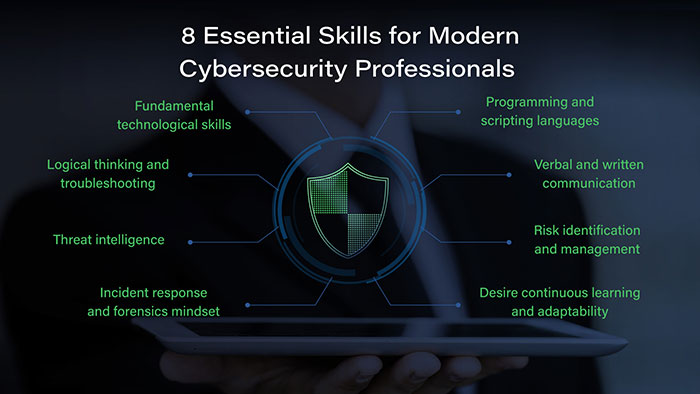
Modern Security Requires Continuous Learning
In today’s fast-paced digital landscape, security is more critical than ever. As threats evolve, so must our understanding and capabilities. Continuous learning is not just an option; it is a necessity for anyone involved in security.
The Evolving Threat Landscape
Security threats are constantly changing, with cybercriminals developing new techniques to bypass defenses. Organizations must stay informed about the latest vulnerabilities and trends to protect their assets effectively.
Importance of Ongoing Education
Ongoing education empowers security professionals to adapt to new challenges. Regular training sessions and certifications ensure that individuals possess the necessary skills to combat emerging threats.
Leveraging Technology for Learning
With advancements in technology, learning opportunities have expanded significantly. Online courses, webinars, and simulation tools provide flexible options for continuous improvement in security knowledge.
Building a Culture of Learning
Organizations should foster an environment that prioritizes learning. Encouraging employees to share insights and experiences creates a collaborative atmosphere that enhances overall security awareness.
Key Takeaways
- Continuous learning is essential due to the evolving nature of security threats.
- Regular training keeps security teams updated on the latest technologies and methods.
- Utilizing technology can enhance learning experiences.
- Creating a culture of learning aids in better information sharing and collaboration.
- Proactive learning can significantly reduce the risk of security breaches.
Practical Tip
Schedule regular training sessions and encourage team members to participate in relevant online courses to stay abreast of industry advancements.
Mini Checklist
- Identify current knowledge gaps in your team.
- Research available training resources.
- Set specific learning goals for each quarter.
- Create a platform for knowledge sharing.
- Evaluate progress regularly.
Common Mistakes
- Assuming that past training is sufficient.
- Neglecting to update learning materials.
- Relying solely on one type of training format.
- Failure to encourage team participation.
- Ignoring feedback from training sessions.
Conclusion
Modern security demands a commitment to continuous learning. By embracing ongoing education and creating a culture of learning, organizations can better prepare themselves against evolving threats.
FAQ
Why is continuous learning important in security?
Continuous learning helps security professionals stay updated on the latest threats and technologies, enabling them to respond effectively.
What resources are available for ongoing security education?
There are numerous online platforms that offer courses, certifications, webinars, and workshops tailored to different aspects of security.
How can organizations promote a culture of learning?
Organizations can promote a culture of learning by encouraging knowledge sharing, providing resources for training, and recognizing team members’ efforts in professional development.
Security
Learning
Continuous Education
Cybersecurity



Leave a Reply