
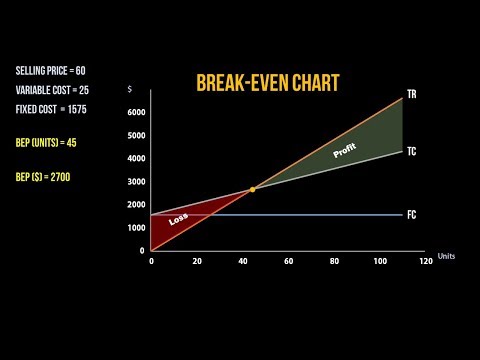
Break-even Analysis
📘
Understanding break-even analysis is crucial for any business. It helps determine the point where total costs and total revenue are equal.
What is Break-even Analysis?
It’s a financial metric used to determine when a business will be able to cover its expenses. It is essential for pricing and budgeting strategies.
How to Calculate Break-even Point?
Use the formula: Fixed Costs / (Selling Price per Unit – Variable Cost per Unit). This yields the number of units you need to sell to break even.
Benefits of Break-even Analysis
It aids in financial planning, pricing strategies, and risk assessment, making it a valuable tool for decision-making.
✅ Key Takeaways
- Break-even analysis helps identify cost coverage.
- It’s essential for effective pricing strategies.
- It assists in financial planning and forecasting.
- Understanding your break-even point minimizes risks.
- Regular analysis promotes data-driven decisions.
📌 Regularly reviewing break-even analysis ensures management stays informed about financial health.
🎯 Mini Checklist
- Identify fixed and variable costs.
- Calculate the break-even point regularly.
- Adjust prices based on analysis.
- Monitor market conditions.
- Involve stakeholders in discussions.
Common Mistakes: Failing to update the analysis frequently can lead to poor decision-making.
Final Thoughts: A thorough understanding of break-even analysis is vital for sustainable growth and profitability.
FAQs
What is the break-even point?
It’s the level of sales at which total revenue equals total costs.
Why is it important?
It helps businesses understand their financial viability.
How often should I analyze it?
Regularly, or whenever major changes occur in costs or pricing.
Meta: Break-even analysis is a key factor in business strategy.
business strategy
financial analysis
cost management



Leave a Reply