
AARRR Funnel Explained with a Real D2C Example
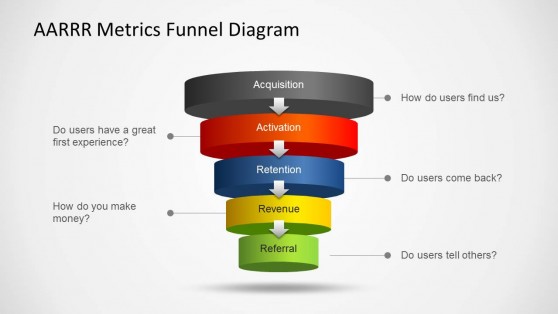
The AARRR funnel is a powerful framework for understanding customer journey stages in direct-to-consumer (D2C) businesses. In this article, we’ll explore the AARRR model—Acquisition, Activation, Retention, Referral, and Revenue—with a real-world example and insights that most guides overlook.
1. Acquisition
Acquisition is the first stage where potential customers first learn about your brand. For a D2C company, this could involve social media ads, influencer partnerships, or SEO strategies to draw traffic to the website.
2. Activation
Activation occurs when users engage with your product for the first time. This could mean completing a purchase, signing up for a newsletter, or downloading an app. Successful activation leads to a stronger connection with the brand.
3. Retention
Retention is critical for recurring revenue. Brands can increase retention through personalized emails, loyalty programs, and exceptional customer service. The goal is to turn first-time buyers into repeat customers.
4. Referral
Referral metrics measure how many of your customers refer others to your brand. This can be encouraged through referral bonus programs or incentives, leading to organic growth without high marketing costs.
Key Takeaways
- Understanding each stage of the AARRR funnel is essential for building a successful D2C strategy.
- Focus on creating an excellent user experience to boost activation and retention rates.
- Leverage existing customers to drive referrals and improve brand awareness.
- Data analysis at each stage helps in optimizing marketing efforts.
- Regularly revisit and tweak your strategies based on performance metrics.
Practical Tip
Use A/B testing for your acquisition methods to identify the most effective channels for your audience before investing heavily in a specific strategy.
Checklist for Implementing AARRR Funnel
- Define clear metrics for each AARRR stage.
- Create targeted marketing campaigns tailored to each stage.
- Set up tracking tools to monitor conversions and engagement.
- Regularly analyze data for continuous improvement.
- Establish a feedback loop with customers to enhance future strategies.
Common Mistakes
Many brands fall prey to these common pitfalls:
- Neglecting the retention stage and focusing only on new customer acquisition.
- Not utilizing customer feedback effectively.
- Failing to measure and analyze data consistently.
- Overlooking the importance of personalized communication.
- Assuming that a single marketing strategy will work indefinitely.
Conclusion
Mastering the AARRR funnel model can significantly enhance your D2C business success. By focusing on each stage, from acquisition to referral, you can build a lasting relationship with your customers and drive sustainable growth.
FAQs
What is the AARRR funnel?
The AARRR funnel is a framework that outlines five important stages of the customer journey: Acquisition, Activation, Retention, Referral, and Revenue.
Why is it important for D2C brands?
Understanding the AARRR funnel helps D2C brands optimize their marketing strategies and improve customer relationships, ultimately leading to increased sales and loyalty.
How can I track my progress through the AARRR funnel?
Utilize analytics tools to monitor key metrics at each stage, such as website visits, conversion rates, and customer feedback.
Tags
AARRR, D2C, Marketing, Digital Strategies, Customer Journey



Leave a Reply