
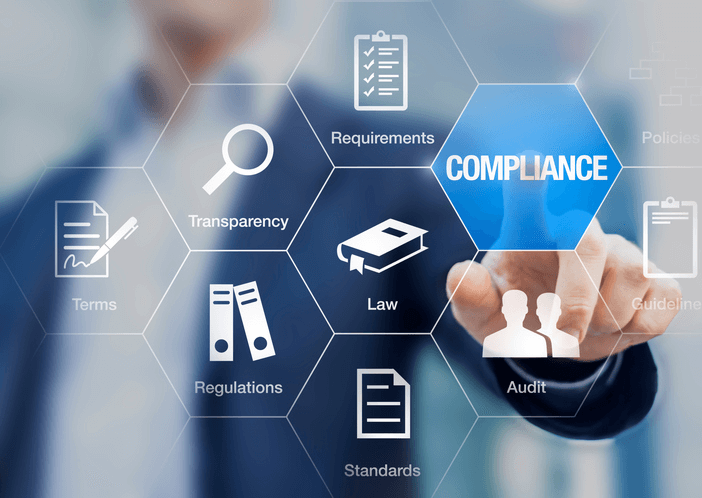
Security Compliance
📘 Hero Label
Understanding security compliance is vital for protecting sensitive information and meeting regulatory requirements.
Understanding Security Compliance
It involves adhering to regulations designed to protect data integrity and privacy.
Organizations must stay updated on relevant laws to avoid penalties.
Key Regulations
Major regulations include GDPR, HIPAA, and PCI DSS.
Each has specific requirements based on the industry.
Compliance Strategies
Implementing policies, training employees, and conducting audits are essential strategies.
Consistent monitoring ensures adherence to established standards.
Embracing Culture of Compliance
Fostering a culture that prioritizes compliance can significantly mitigate risks.
This drives commitment across all levels of the organization.
✅ Key Takeaways
- Compliance protects sensitive data.
- Regulations vary by industry.
- Policies must be proactively implemented.
- Training is crucial for employee awareness.
- Audit regularly to ensure compliance.
📌 Document all compliance efforts for review.
🎯 Mini Checklist
- Understand relevant regulations.
- Create a compliance policy.
- Train all staff on compliance.
- Conduct regular audits.
- Update policies as needed.
Common Mistakes: Not staying updated with regulations can lead to compliance failures.
Final Thoughts: A proactive approach ensures effective compliance and safeguards your organization.
FAQs
What is security compliance?
It refers to adhering to security regulations to protect data.
Why is it important?
It reduces risk of data breaches and legal issues.
How often should audits be conducted?
At least annually, but more frequent is better.
Meta: Summary of key compliance aspects to consider.
Data Protection Compliance Regulations



Leave a Reply