Digital Farming Is Growing Worldwide
Digital farming, characterized by the integration of technology into agricultural practices, is experiencing a significant global rise. This transformation is reshaping how food is produced, improving efficiency and sustainability.
The Rise of Technology in Agriculture
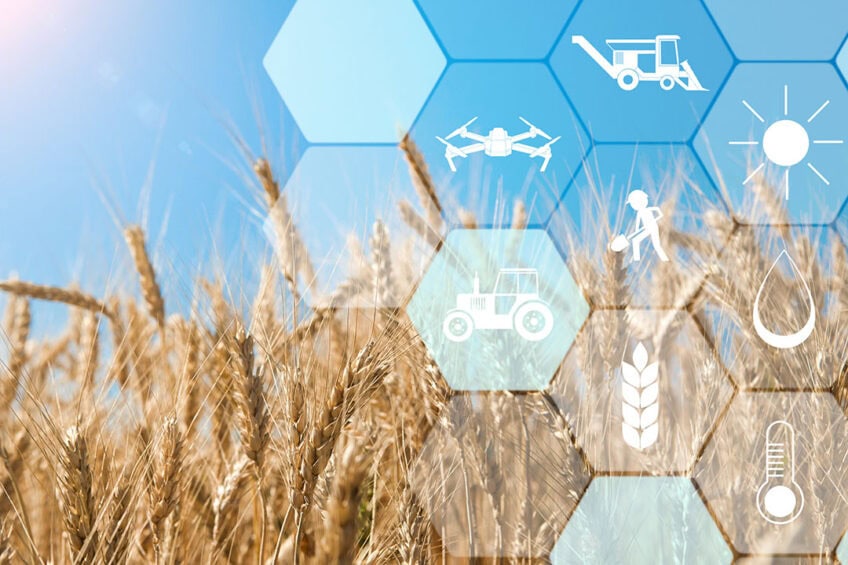
Recent years have seen a surge in the adoption of technologies such as IoT, AI, and big data analytics in farming. These innovations enable farmers to monitor their crops and livestock more effectively, leading to increased productivity and reduced waste.
Benefits of Digital Farming
Digital farming offers numerous advantages, including enhanced decision-making capabilities through data analysis and improved resource management. By utilizing precision agriculture techniques, farmers can optimize inputs, resulting in higher yields and lower costs.
Global Adoption Trends
Countries around the world are increasingly investing in digital farming solutions. From developed nations adopting advanced technologies to developing countries using mobile apps for market access, the trend is reshaping the agricultural landscape.
Sustainability and Future Prospects
Digital farming is not just about economic gains; it also promotes sustainable practices. By reducing chemical usage and improving soil health, this approach contributes to environmental conservation and food security for future generations.
Key Takeaways
- Digital farming integrates technology into traditional agriculture.
- It enhances productivity and reduces operational costs.
- Adoption is growing globally across various regions.
- Sustainability is a core benefit of digital farming practices.
- Data-driven decisions improve overall farm management.
Practical Tip
Farmers should start small by implementing one or two digital tools. Evaluate their effectiveness before scaling up to more comprehensive systems.
Mini Checklist
- Identify areas of your farm that could benefit from technology.
- Research suitable digital tools available in your region.
- Consider training options to enhance tech use on the farm.
- Monitor the impact of technology on farm productivity.
- Stay updated on new advancements in digital farming.
Common Mistakes
Avoid over-reliance on technology without understanding its limitations. Ensure proper training is provided to mitigate operational issues that may arise from new tools.
Conclusion
As digital farming continues to grow worldwide, it represents a vital shift towards more efficient and sustainable agricultural practices. Embracing this change can lead to a brighter future for global food production.
FAQ
What is digital farming?
Digital farming involves using technology to enhance agricultural practices, including crop monitoring, data analytics, and automation.
How does digital farming improve sustainability?
It reduces chemical usage, optimizes resource management, and leads to healthier ecosystems through informed farming practices.
Is digital farming accessible to small-scale farmers?
Yes, many digital tools are designed for small-scale farmers, offering affordable solutions for efficiency and market access.



Leave a Reply