
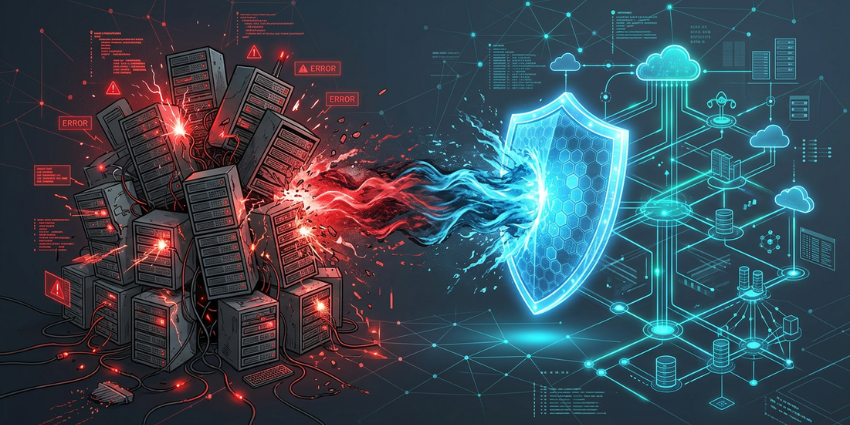
Cyber Resilience Creates Stability
In today’s digital landscape, organizations face relentless cyber threats. Cyber resilience is essential for maintaining stability and ensuring continued operations despite disruptions. This article explores the importance of cyber resilience and provides actionable insights for enhancing it.
Understanding Cyber Resilience
Cyber resilience encompasses an organization’s ability to prepare for, respond to, and recover from cyber incidents. It goes beyond traditional cybersecurity by integrating business continuity and risk management practices.
Benefits of Cyber Resilience
Implementing a strong cyber resilience strategy offers numerous benefits. Organizations can minimize downtime, protect sensitive data, and maintain their reputation. This holistic approach fosters trust among clients and stakeholders.
Strategies for Enhancing Cyber Resilience
To enhance cyber resilience, organizations should adopt proactive monitoring, conduct regular risk assessments, and foster a culture of security awareness. Integrating these strategies creates a robust defense against evolving threats.
The Role of Employees in Cyber Resilience
Employees play a critical role in an organization’s cyber resilience. Regular training and clear communication about security policies empower staff to recognize and respond to potential threats effectively.
Key Takeaways
- Preparation is essential for dealing with cyber incidents.
- A holistic approach integrates cybersecurity and business continuity.
- Regular training keeps employees informed about threats.
- Proactive monitoring helps identify vulnerabilities early.
- Strong reputations are built on trust and effective security measures.
Practical Tip
Conduct simulated attack scenarios to test your organization’s response plan. This hands-on approach reveals gaps and strengthens overall preparedness.
Mini Checklist
- Establish a clear incident response plan.
- Regularly update all software and systems.
- Educate employees about phishing scams.
- Perform frequent backups of critical data.
- Review security policies annually.
Common Mistakes
- Neglecting to involve all departments in cybersecurity planning.
- Failing to test incident response plans regularly.
- Underestimating the impact of human error on security.
- Ignoring the need for continuous employee training.
- Delaying updates and patches to software.
Conclusion
Cyber resilience is not just a technical necessity; it is vital for organizational stability. By embracing a comprehensive approach that includes preparation, employee involvement, and continuous improvement, organizations can safeguard themselves against cyber threats and ensure long-term success.
FAQ
What is cyber resilience?
Cyber resilience refers to an organization’s ability to anticipate, withstand, recover from, and adapt to adverse cyber events.
Why is employee training important?
Employee training is crucial because human error is often the weakest link in cybersecurity. Informed employees can better protect the organization.
How can we measure our cyber resilience?
Organizations can measure cyber resilience through regular assessments, incident response drills, and reviews of past incidents to identify improvements.


Leave a Reply