
The Next Generation of Businesses Will Be AI-First by Design
As technology continues to evolve, businesses are increasingly recognizing the importance of integrating artificial intelligence into their core operations. This article explores the key factors driving this shift and discusses how adopting an AI-first approach can lead to enhanced efficiency and innovation.
The Rise of AI in Business
Artificial intelligence is transforming industries by automating processes and providing insights that were previously unattainable. Companies leveraging AI are not only improving their productivity but also enhancing customer experiences.
Leveraging Data for Decision Making
Data is the backbone of AI. Businesses can harness large datasets to inform decision-making and strategy development. By utilizing predictive analytics, organizations can anticipate market trends and adapt accordingly.
Improving Operational Efficiency
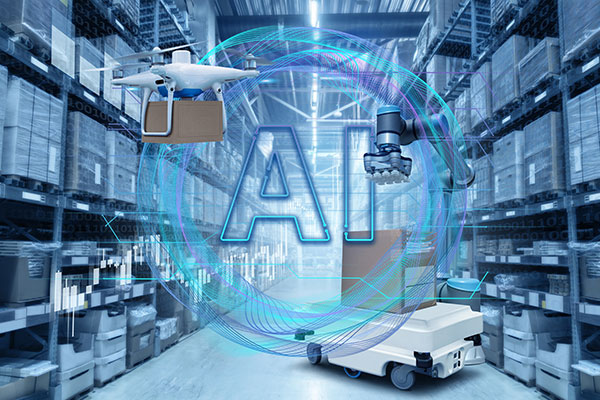
An AI-first approach allows businesses to streamline operations by optimizing supply chains, managing inventories efficiently, and reducing operational costs. Automation of routine tasks frees up human resources for more strategic roles.
Enhancing Customer Engagement
AI enables personalized customer interactions through chatbots and virtual assistants. These technologies provide immediate support and tailored recommendations, significantly improving customer satisfaction and retention rates.
Key Takeaways
- AI is crucial for future business strategies.
- Data-driven decisions enhance effectiveness.
- Operational efficiency can be greatly improved through automation.
- Customer engagement is transformed with personalized experiences.
- Businesses must adapt to remain competitive in an AI-centric market.
Practical Tip
To successfully implement an AI-first strategy, start with small projects that allow you to test AI capabilities. Gradually scale these initiatives based on measurable outcomes.
Mini Checklist
- Identify areas where AI can be implemented.
- Invest in data management and infrastructure.
- Provide training for employees on AI tools.
- Continuously evaluate the impact of AI on your business.
- Stay updated on AI advancements and best practices.
Common Mistakes
- Underestimating the importance of data quality.
- Neglecting employee training and adaptation.
- Failing to integrate AI with existing systems.
- Setting unrealistic expectations for AI outcomes.
- Ignoring ethical considerations in AI deployment.
Conclusion
The future of business is undoubtedly leaning towards an AI-first approach. Organizations that embrace this change will position themselves as leaders in their respective fields, driving innovation and improving overall efficiency while enhancing customer satisfaction.
FAQ
What does it mean for a business to be AI-first?
An AI-first business prioritizes the integration of artificial intelligence in all aspects of its operations to improve decision-making, efficiency, and customer engagement.
How can small businesses benefit from AI?
Small businesses can leverage AI to automate tasks, analyze customer behavior, and enhance marketing strategies without requiring significant resources.
What are the initial steps to implement AI in a business?
Start by assessing your current operations, identifying areas for improvement, and investing in the necessary technology and training for staff.
Leave a Reply